
Chimney Sweeping
Sweeping is in our name. Our CSIA-certified chimney sweeps clear creosote, soot, and blockages so every fire burns safer, cleaner, and warmer.
Most homeowners don't think about the chimney until something seems off. The fire won't draw, smoke rolls back into the room, or there's a smell like an old campfire every time it rains. By then, creosote has usually been building up inside the flue for a season or more. Creosote is flammable, and the National Fire Protection Association names failure to clean, mostly creosote in chimneys, as a leading factor in home heating fires.
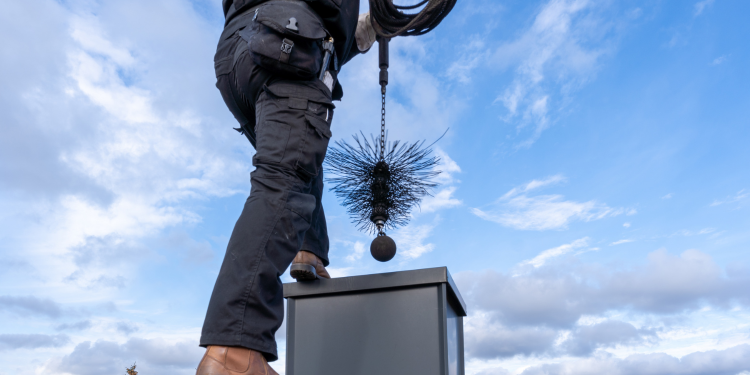
At Heat’n Sweep, chimney sweeping is a service for every homeowner, whether we installed your fireplace or not. Our sweeps are certified by the Chimney Safety Institute of America (CSIA). They clean the full flue, smoke chamber, and firebox, protect your home from dust and soot while they work, and let you know if they spot anything that needs attention.
A clean chimney drafts better, burns more efficiently, and gives you peace of mind every time you light a fire.
Why Chimney Sweeping Matters
Every wood fire leaves behind creosote, a tar-like residue that coats the inside of your flue as smoke cools on its way out. It builds in three stages, and each one is harder to remove and more dangerous than the last.
Stage 1: Soot
A dry, flaky, dark powder that coats the inside of the flue. Every wood fire leaves some behind, even when you burn dry, seasoned wood, and it builds a little more with each season of use.
The risk: Weaker draft and harder-to-start fires as it builds.
The fix: A standard sweep clears it in one visit.
Stage 2: Flaky Tar
Shiny, crunchy black flakes that stick to the flue walls. It forms when smoke cools too much on the way up, usually from burning damp wood or running slow, smoky fires with the air turned down.
The risk: More flammable, plus smoke in the room and a campfire smell.
The fix: A professional sweep with the right tools, plus tips to keep it from coming back.
Stage 3: Glazed Creosote
A hard, glassy coating that looks like melted tar and can even drip down the flue. It builds when Stage 2 creosote is left in place and keeps getting heated over season after season of fires.
The risk: The most likely cause of a chimney fire, which can crack flue tiles and damage the liner.
The fix: Specialized removal, plus a check for any damage it already caused.
Our Chimney Sweeping Process
Here's what happens from the time we arrive to the time we leave your home cleaner than we found it.
1
Protect your home.
We lay drop cloths from the door to the fireplace and seal off the opening before any cleaning starts.
2
Set up dust control
A high-powered vacuum runs during the sweep to keep soot and dust out of your living space.
3
Sweep the flue
We brush the full length of the chimney to break loose soot and creosote from the flue walls.
4
Clean the smoke chamber and firebox
We clear the smoke shelf, damper area, and firebox, where buildup and debris collect.
5
Check the chimney
We look over the flue, damper, cap, and crown for damage, blockages, or signs of water getting in.
6
Walk you through it
We show you what we found, explain anything that needs attention, and clean up before we leave.
What's Included in Every Chimney Sweep
- Full flue sweeping from top to bottom
- Smoke chamber, smoke shelf, and damper cleaning
- Firebox cleanout and ash removal
- Drop cloths and dust control inside your home
- Removal of nests, leaves, and other blockages
- A visual check of the cap, crown, damper, and flue
- A clear rundown of what we found, with photos when there's something to show you
How Often Should Your Chimney Be Swept?
The National Fire Protection Association's NFPA 211 standard calls for chimneys, fireplaces, and vents to be inspected every year and cleaned as needed. How often "as needed" comes around depends on what you burn and how much.
Wood-Burning Fireplaces
At least once a year for most homes. If you burn often, plan on a sweep any time soot buildup reaches about an eighth of an inch, or sooner if you see shiny, tar-like creosote.
Wood Stoves & Inserts
At least once a year, and often more. Stoves and inserts burn hotter and longer than open fireplaces, so homes that heat with wood all winter may need a mid-season sweep.
Gas Fireplaces & Inserts
Gas burns much cleaner, so buildup is rare. The vent still needs a yearly check for nests, debris, corrosion, or a liner problem, and cleaning when any of those turn up.
Pellet Stoves
Pellet ash builds in the vent faster than most owners expect. Plan on a yearly vent cleaning, and follow your stove manufacturer's schedule if you burn a lot of pellets.
Signs Your Chimney Needs Sweeping
Your chimney will usually tell you when it's overdue. Call us if you notice any of these:
- Smoke backs up into the room. Buildup or a blockage is keeping smoke from drafting up and out.
- The fire is hard to start or keep going. A restricted flue starves the fire of the airflow it needs.
- A strong campfire smell, especially on humid or rainy days, when creosote odor gets worse.
- Black flakes or soot in the firebox. Creosote is breaking loose from the flue walls above.
- Birds, animals, or debris in the chimney. Nests and leaves can block the flue completely.
- It's been more than a year. Even if everything seems fine, buildup and damage are easy to miss from inside the house.
Safety note: If you hear a loud rumbling or roaring from the chimney, see dense smoke, or notice an intense hot smell, you may have a chimney fire. Get everyone out and call 911.
Why Choose Heat'n Sweep for Chimney Sweeping
Sweeping is literally in our name, and we've been keeping Greater Lansing fireplaces burning safely for decades.
- Open to every homeowner. We sweep any chimney, no matter who installed your fireplace, stove, or insert.
- Clean, careful work. Drop cloths and dust control on every job, so the only thing that leaves dirty is our equipment.
- Fireplace experts, not just sweeps. We sell, install, and repair fireplaces and stoves, so we understand the whole system above and below the damper.
- Straight answers. If we see a problem during your sweep, we show you and explain your options. No pressure, no scare tactics. [Link: Chimney Inspection]
- Repairs handled in-house. If your chimney needs a cap, crown, liner, or masonry work, our team takes care of it. [Link: Chimney Service]
- 50+ years in Greater Lansing. A local company you can call again next year and the year after.

EXPERIENCE YOU CAN TRUST
YEARS IN BUSINESS
5-STAR REVIEWS
BRAND PARTNERSHIPS
INSTALLATIONS COMPLETED
HOMEOWNER REVIEWS
Trusted by Michigan Homeowners
SERVICE AREA
Serving All Greater Lansing & Surrounding Counties
Visit our showroom in Okemos, MI or schedule a consultation. We proudly serve homeowners throughout all of lower Michigan.
- Ingham County
- Eaton County
- Clinton County
- Jackson County
- Livingston County
- Washtenaw County
- Barry County
- Kalamazoo County
- Calhoun County
- Ionia County
- Oakland County
- Shiawassee County
Chimney Sweeping FAQs
Do you sweep chimneys if you didn't install the fireplace?
Yes. Chimney sweeping is open to every homeowner, no matter who built your chimney or installed your fireplace, stove, or insert.
Will a chimney sweep make a mess in my house?
It shouldn't. We lay drop cloths, seal off the fireplace opening, and run a high-powered vacuum during the sweep to keep soot inside the chimney and out of your home.
How long does a chimney sweep take?
Most sweeps take about one to two hours, depending on the chimney's height, how much buildup there is, and whether we find anything that needs a closer look.
Do gas fireplaces need chimney sweeping?
Gas burns much cleaner than wood, so heavy buildup is rare. The vent or chimney still needs a yearly check for nests, debris, and corrosion, and a cleaning when any of those turn up.
What's the difference between a chimney sweep and a chimney inspection?
A sweep cleans the chimney. An inspection evaluates its condition, from the liner and crown to the flashing and cap. Many homeowners schedule both together, since a clean flue is easier to inspect.
Ready for a Cleaner, Safer Chimney?
Call us to book your sweep or stop by our Okemos showroom with questions. Our team will clean your chimney, protect your home while we work, and let you know exactly what we found.